President Trump Calls on Tech Giants to Build Their Own Power Plants for Data Centers
GraniteCityGossip.com February 25, 2026
A major national policy shift aimed at protecting consumers from rising electricity costs.
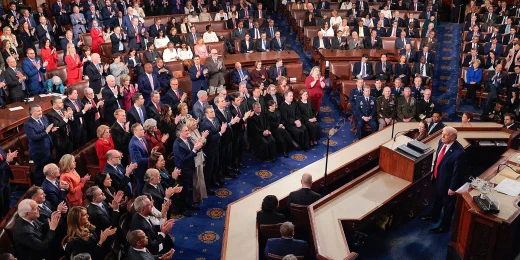
In his State of the Union address on Tuesday, President Donald Trump announced a sweeping new directive aimed squarely at one of the fastest‑growing strains on America’s electrical grid, hyperscale data centers.
The President said his administration has informed major technology companies that future data centers must be paired with privately funded, on‑site power generation, rather than relying entirely on public utilities.
According to the President, the goal is simple, shield American households from potential rate increases caused by the enormous electricity demands of modern data infrastructure.
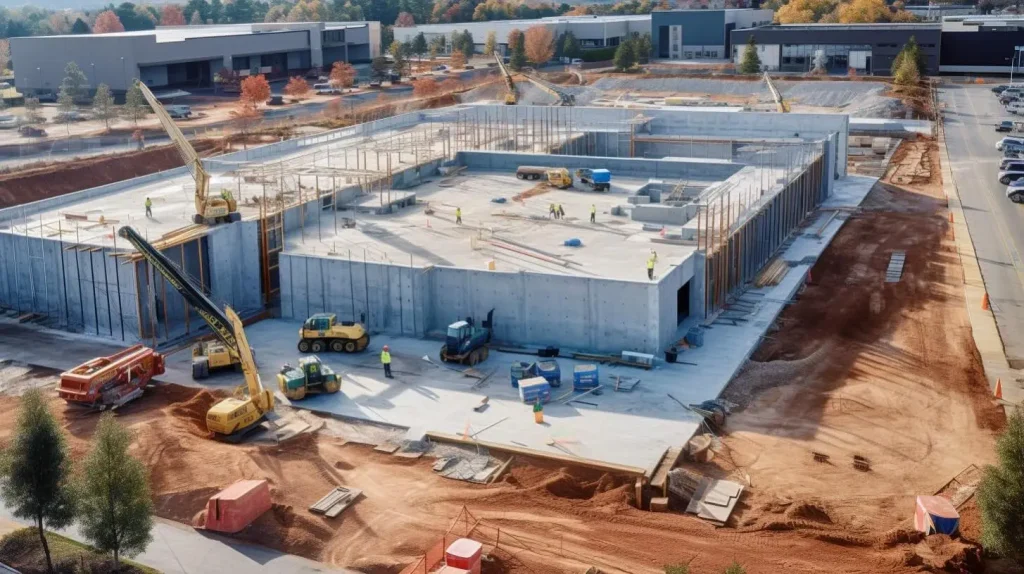
The announcement marks one of the most direct federal interventions yet into how data centers are powered, and it immediately caught the attention of communities across the country, including right here in Madison and St. Clair counties, where data center proposals have sparked intense debate.
This is a national Policy with local relevance, for months, residents in Granite City, Troy, and surrounding communities have raised concerns about how a large data center could affect local electric rates. Many feared that the massive, round‑the‑clock power draw could force Ameren or regional grid operators like MISO to upgrade infrastructure, costs that could ultimately be passed on to ratepayers.
The President’s new directive directly addresses that fear. Under the policy, tech companies would be expected to:
Build and fund their own power plants or dedicated generation sources.
Avoid shifting grid‑upgrade costs onto local residents.
Provide surplus power to nearby communities when possible.
Trump argued that this approach not only protects consumers but could also create new energy assets that benefit the regions where data centers are built.
“These new power sources can strengthen local grids and provide extra capacity for the surrounding area,” he said.
Why This Matters for Metro East Communities.
Local residents have repeatedly asked whether a data center would:
Raise electric bills.
Strain the MISO grid.
Require new substations or transmission lines.
Increase local pollution depending on the power source.
The President’s announcement places responsibility for those issues squarely on the companies seeking to build the facilities and not on the communities hosting them.
If implemented as described, the policy could:
1. Reduce the risk of rate hikes
By requiring tech companies to fund their own generation, utilities would not need to recover costs from residential customers.
2. Limit strain on existing infrastructure
Dedicated power plants reduce the need for major grid upgrades.
3. Potentially add new energy capacity to the region
If a company builds more power than it needs, the excess could support local reliability.
4. Shift negotiations
Local governments would gain leverage, knowing federal policy backs consumer protection.
The administration is expected to release additional guidance in the coming weeks outlining:
What types of power plants qualify.
Whether renewable, nuclear, or gas‑fired generation will be prioritized.
How federal agencies will enforce compliance.
Whether existing data center proposals will be grandfathered in.
For communities like Granite City and Troy, where residents have been demanding clarity, transparency, and protection from long‑term costs, this announcement adds a major new factor to the ongoing conversation.
This is a Turning Point in the National Data Center Debate
Data centers are essential to modern life, powering everything from cloud storage to artificial intelligence. But their energy footprint is enormous, and the question of who pays for the power has become a national flashpoint.
With this new directive, the President is signaling that American households should not bear the financial burden of powering the digital economy. For communities already wrestling with these issues, the national spotlight may bring the clarity and leverage they’ve been waiting for.