Is Illinois’ Gas Tax Ever Going to Stop Climbing?
Policies Under Governor Pritzker Say No.
GraniteCityGossip.com April 4, 2026
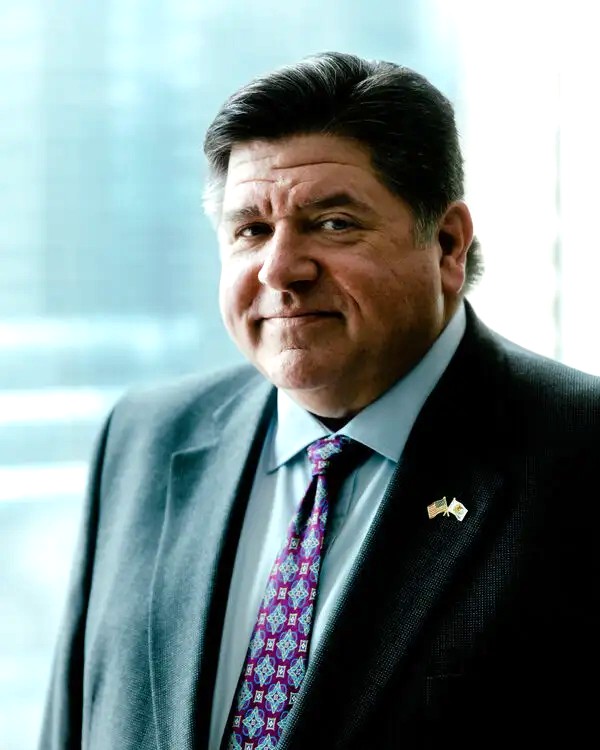
When JB Pritzker took office in January 2019, Illinois drivers were paying 19 cents per gallon in state gas tax. That rate had stayed the same for nearly 30 years. Just months later, the state doubled it to 38 cents and built in automatic yearly increases tied to inflation.
Those annual hikes have continued every year since, pushing the tax to 48.3 cents per gallon in 2026, with no end in sight. As long as inflation exists, the tax keeps rising automatically, and lawmakers never have to vote on it again.
The gas tax isn’t the only cost that jumped. In 2019, the price of a standard Illinois license plate sticker increased from $101 to $151, a 50‑percent hike that hit every driver in the state. Trailer fees also rose sharply, with many categories doubling or more. These increases were part of the same 2019 capital bill that raised the gas tax, and they remain in place today.
For everyday Illinoisans, these aren’t abstract policy changes. They’re real dollars leaving real wallets. Families feel it when they fill up the tank, renew their plates, or try to keep an older car on the road. Small businesses feel it when fuel costs eat into already‑thin margins. And commuters feel it every single week as the pump becomes a reminder of how expensive it is just to get to work.
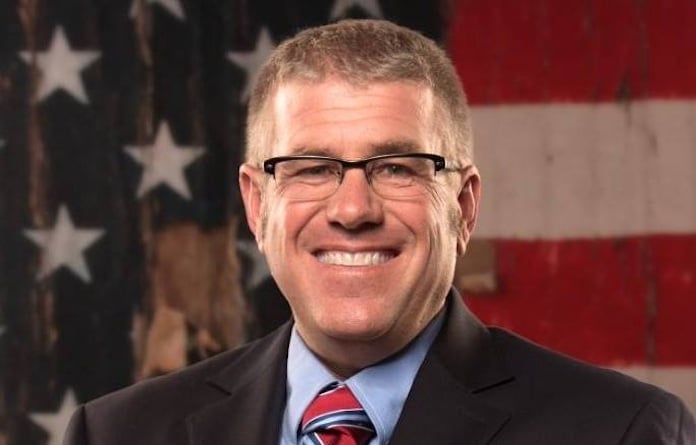
Republican candidate Darren Bailey has seized on this frustration, saying Pritzker “doubled the gas tax and hiked it every year,” and promising that if he becomes governor, he will “axe the gas tax” to give drivers relief. This resonates because the pain at the pump, and at the DMV is something Illinoisans live with every day.
The numbers are simple: the gas tax was 19 cents when Pritzker took office and is now 48.3 cents. License plate stickers were $101 and are now $151. Trailer fees climbed dramatically. All of it adds up to one reality that Illinois drivers know too well, the cost of simply owning and operating a vehicle has risen faster than most people’s paychecks.
Whether voters choose to stay the course or demand a different direction, the frustration behind the issue isn’t political. It’s personal.
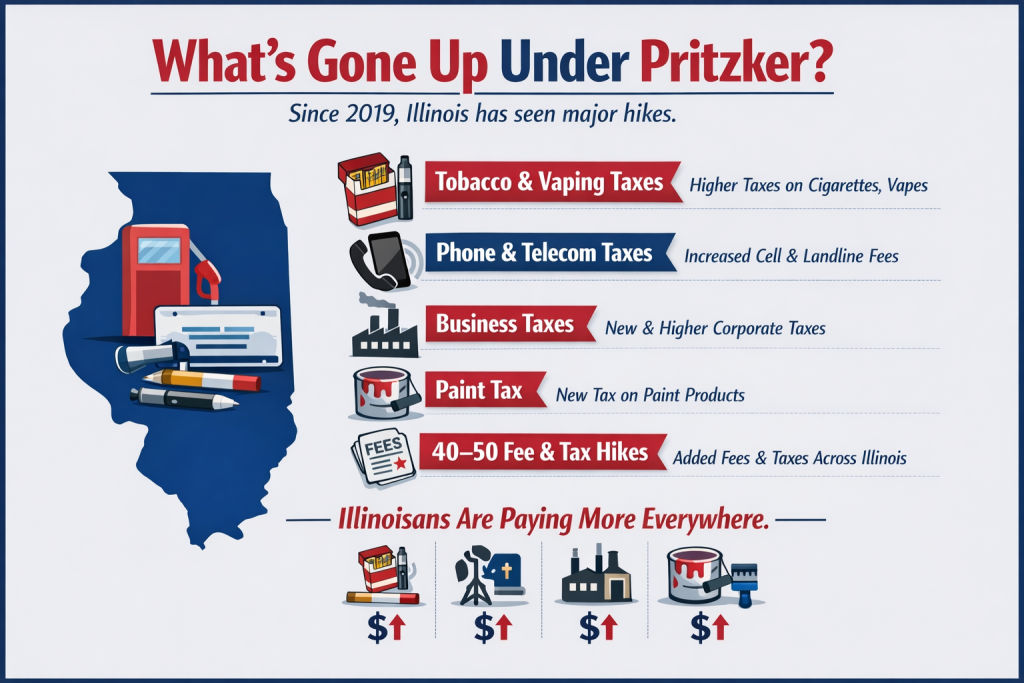
Illinois drivers aren’t just paying more at the pump or at the DMV. Over the past several years, the state has raised a long list of other taxes and fees that hit households and businesses in different ways.
Taxes on cigarettes, other tobacco products, and vaping supplies have all gone up. Telecom taxes increased, adding to the cost of cell phone and landline bills. Businesses were hit with new and expanded taxes, including changes affecting out‑of‑state companies operating in Illinois.
A new tax on paint was added to fund disposal programs. And across multiple budgets, analysts have counted between 40 and 50 separate tax and fee hikes since 2019, including smaller administrative increases that quietly rise each year. Taken together, these changes mean Illinoisans are paying more today across a wide range of everyday expenses than they were when Pritzker first took office.
The Bailey campaign is hoping these constant increases along with the never-ending search for additional pathways to create new taxes will be the tipping point needed to break old voting habits in Illinois.