Illinois’ New Solar Preemption Law Takes Effect June 1:
Municipalities Lose Power to Say “No”
GraniteCityGossip.com April 6, 2026
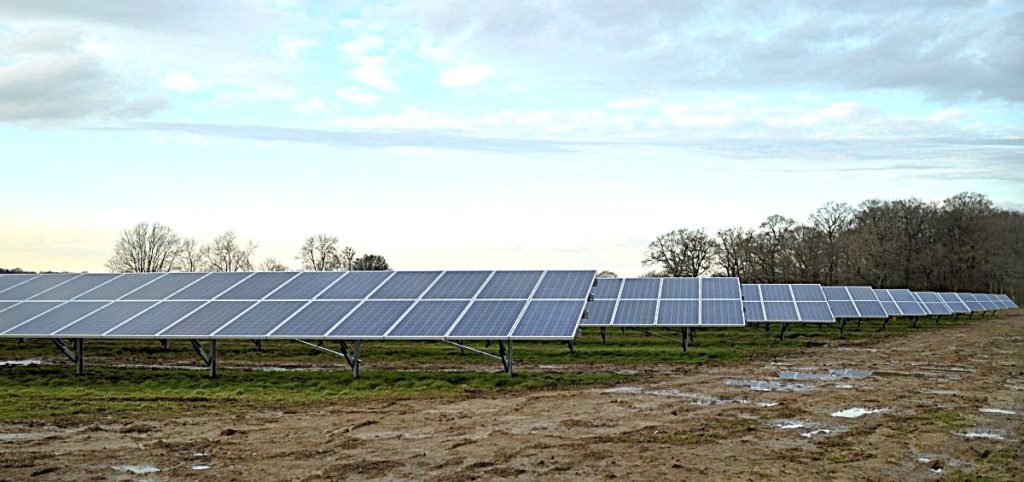
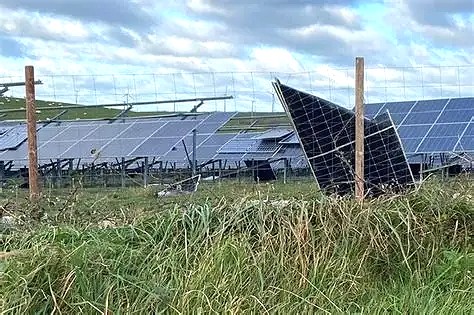
On June 1, 2026, a major shift in Illinois energy policy takes effect, one that directly limits the authority of cities and villages across the state. Under Public Act 104‑0458, municipalities will no longer be allowed to prohibit solar energy systems within their boundaries. This includes residential solar, commercial solar, and large‑scale solar farm developments.
For the first time, every municipality in Illinois, including Granite City, Madison, Pontoon Beach, and all surrounding communities, is legally barred from refusing or blocking solar projects, even if those projects are unpopular, unwanted, or in conflict with local land‑use priorities.
Beginning June 1, municipalities:
Cannot ban solar energy systems.
Cannot use zoning to block solar projects.
Cannot impose rules that “have the effect of prohibiting” solar.
Cannot create moratoriums or delays designed to stop a project.
Must allow solar developments as long as they meet the state’s minimum standards.
This is a full preemption of municipal authority. Local elected officials will no longer have. the power to say “no” to a solar project simply because residents oppose it or because the community wants to preserve open space.
What municipalities may still do, but only within limits
Cities and villages may still adopt regulations on:
Setbacks.
Height.
Screening.
Drainage.
Construction standards.
However, these rules cannot be stricter than the state’s allowed limits and cannot be written in a way that would prevent a solar project from moving forward. If a local rule makes a project unworkable, the state law overrides it.
What this means for residents is as of June 1, municipalities lose the ability to stop solar farms from being built near neighborhoods, parks, or greenspaces, as long as the developer meets the state’s minimum requirements.
This means that solar arrays, including large, utility‑scale installations, may be placed closer to homes than many residents would prefer, provided they fall within the state‑approved setback distances and height limits.
Whether residents consider these projects “too close,” “too tall,” or “out of place” is no longer a factor that local governments can use to deny them.
The June 1 law represents a clear shift in power from local governments to the State of Illinois. Decisions about where solar projects can be built are now primarily controlled by state‑mandated standards, not by the people who live in the affected communities or the officials they elect.
For many municipalities, this marks the end of their ability to protect greenspaces, agricultural land, or residential buffers from large‑scale energy development. For residents, it means that local opposition is no longer enough to stop a project once it meets the state’s criteria.
The bottom line is:
On June 1, Illinois municipalities lose the authority to prohibit solar projects.
Solar developments that meet state standards cannot be refused, even if they are unpopular or dramatically change the character of nearby land.
This is the new legal landscape in Illinois, one created and signed into law by Governor JB Pritzker, and it will shape land use, greenspace preservation, and neighborhood development across Illinois for years to come.